Quantum Computing Gates: The Linear Algebra for Developers
Forget the pop-science hype. Learn how quantum computing gates use unitary matrices, linear algebra, and Bloch sphere rotations to manipulate qubits.

Forget the pop-science hype. Learn how quantum computing gates use unitary matrices, linear algebra, and Bloch sphere rotations to manipulate qubits.
Curious about how quantum circuits work in the real world? Follow the 5-step journey from compiling your design to executing pulses on a physical chip.
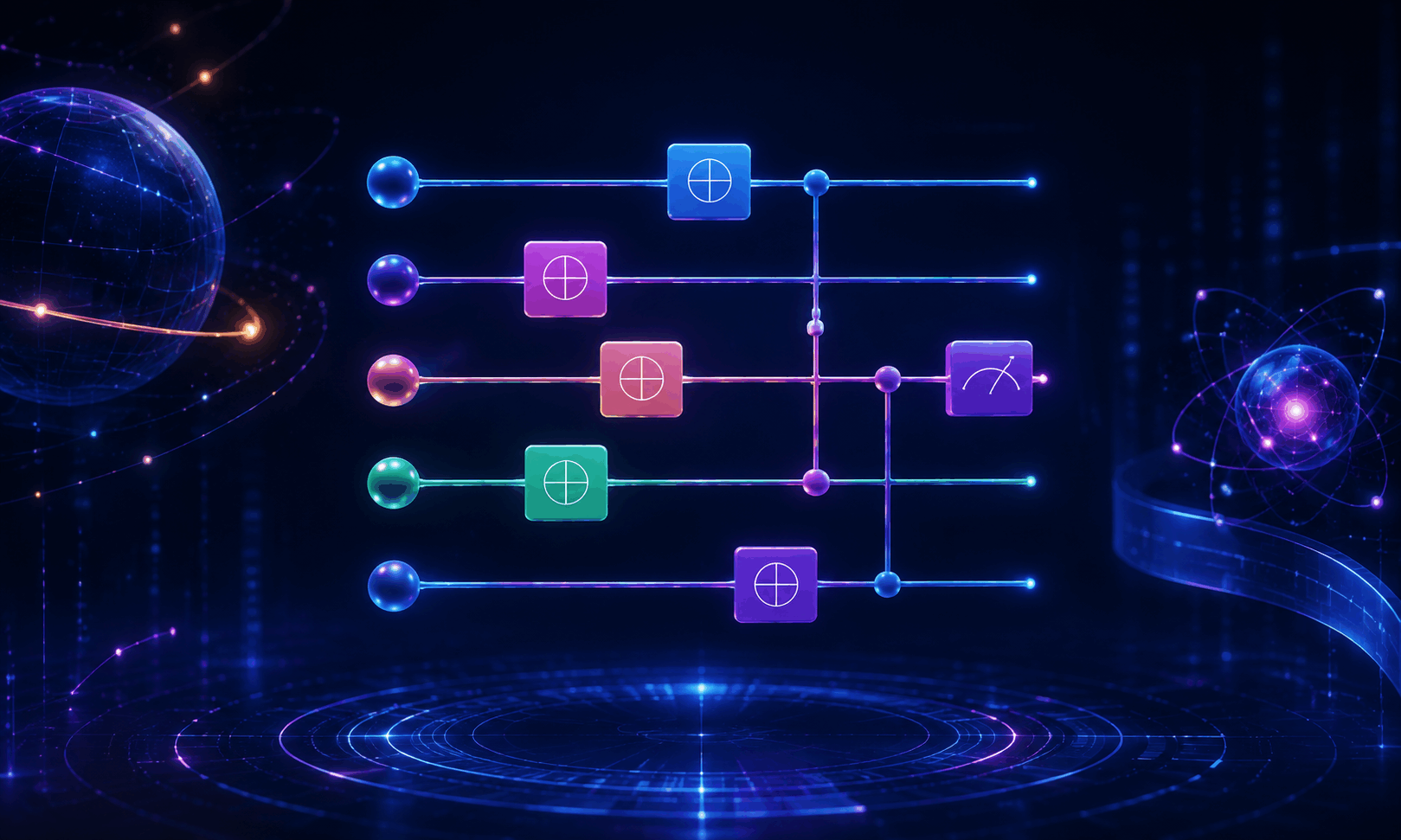
Wondering what is a quantum circuit? Forget complex math. Learn how quantum gates, qubits, and measurement work through simple, real-world analogies.
An in-depth comparison of the leading top superconducting quantum computing companies — IBM, Google, Origin Quantum, Rigetti, and IQM
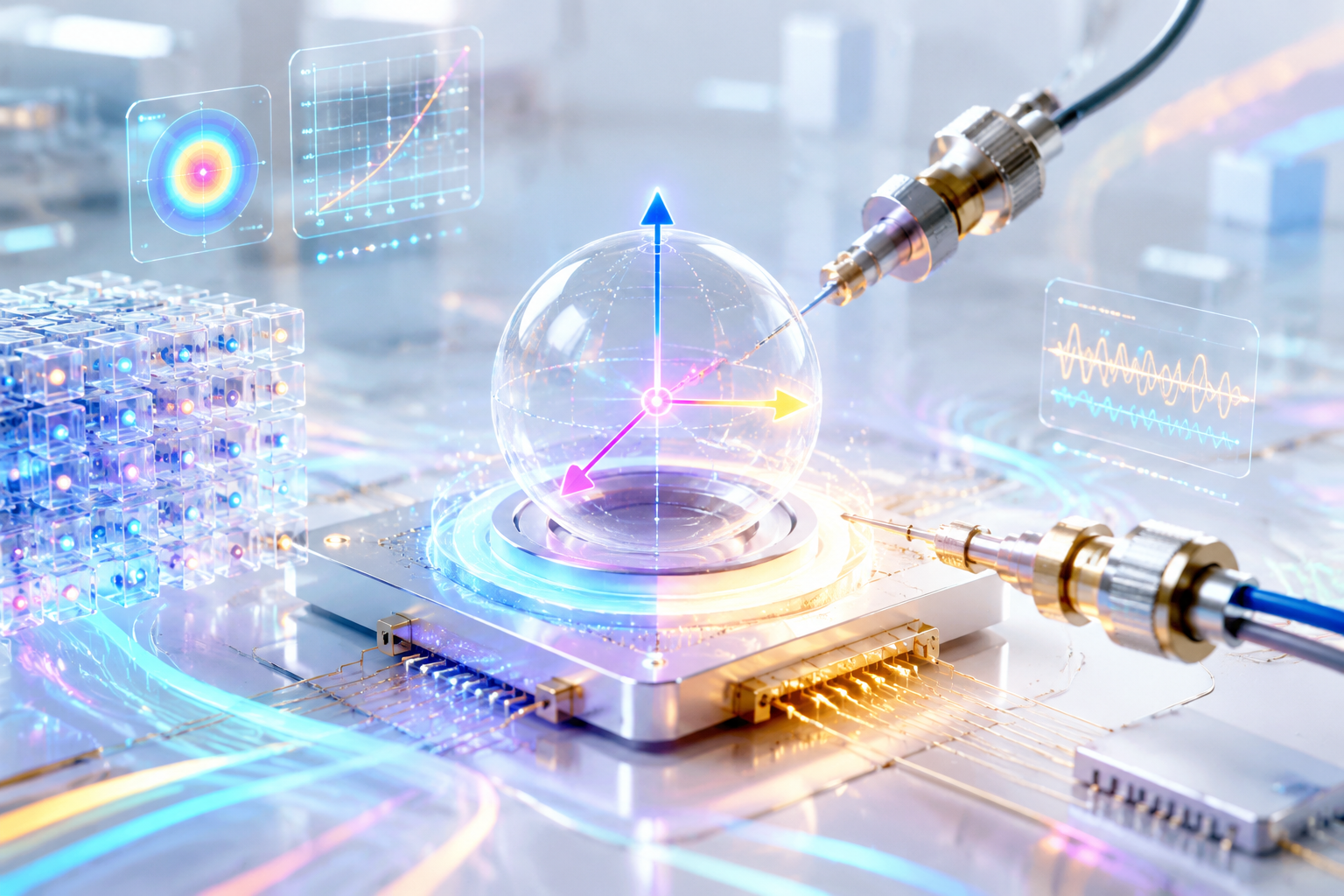
What is calibration in quantum computing? Learn why qubits drift, how control pulses are tuned, and why calibration keeps quantum results accurate.
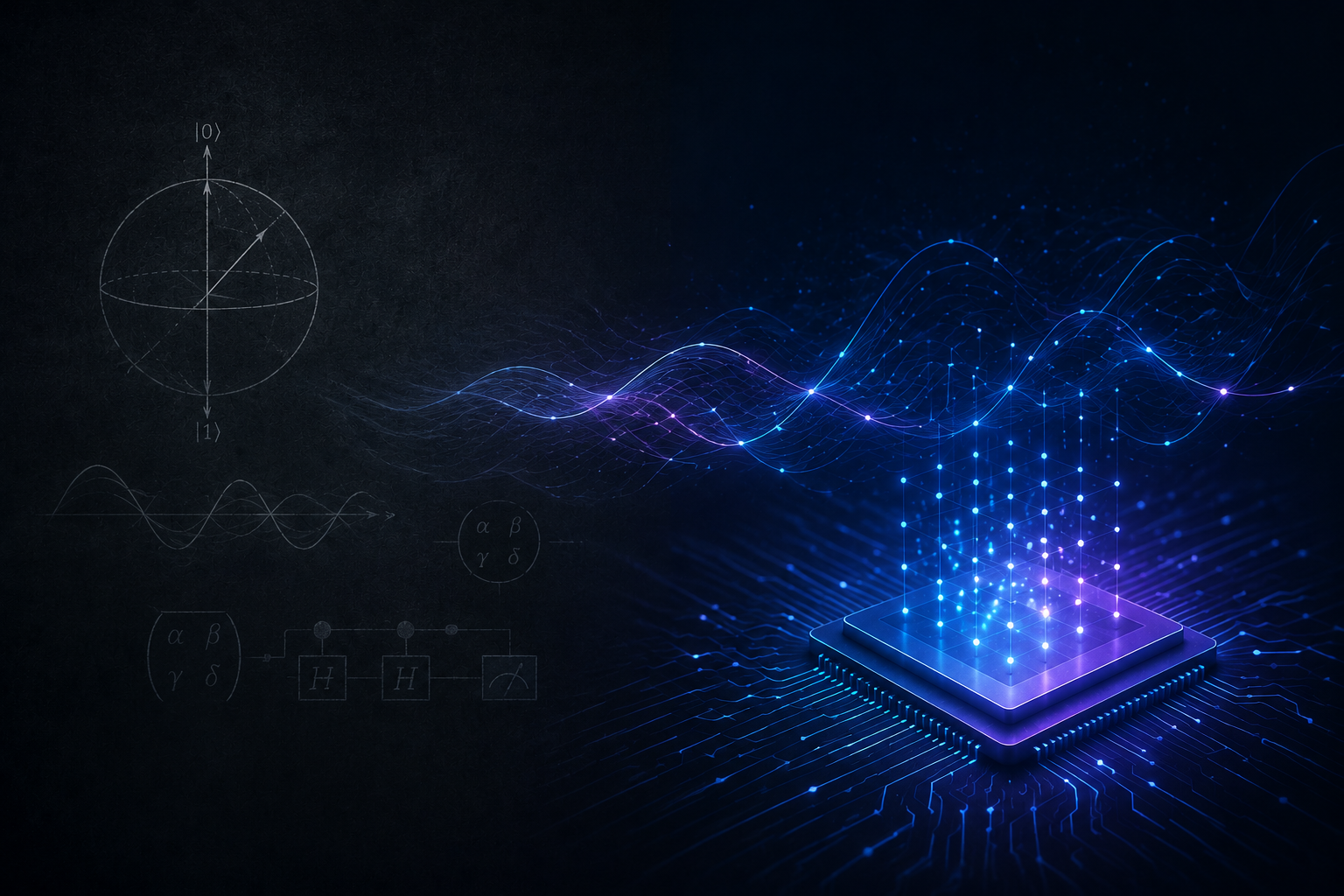
You don't need a physics degree. But you do need specific concepts. Here's exactly which branches of physics matter for quantum computing.
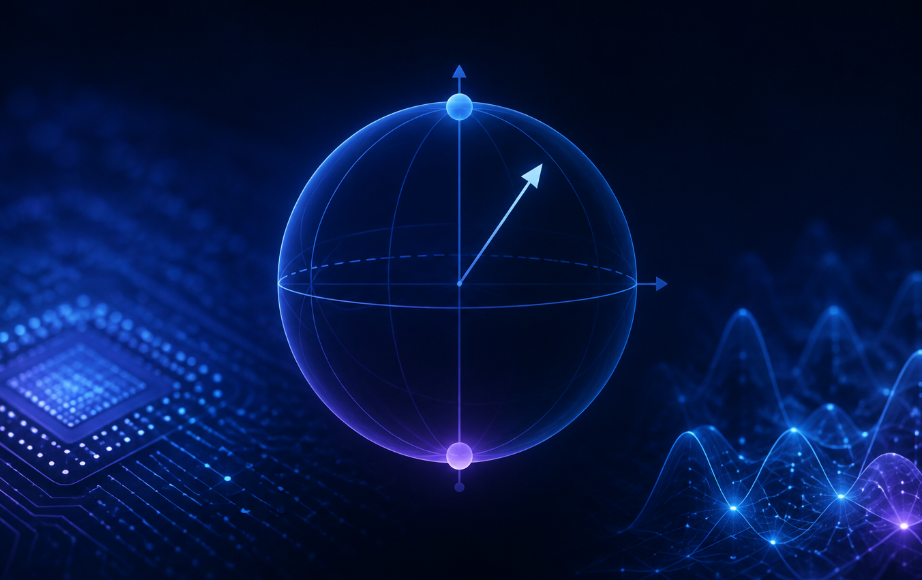
Wondering what you need before learning quantum computing? This guide breaks down the real prerequisites and tells you exactly what to learn and how deep to go.
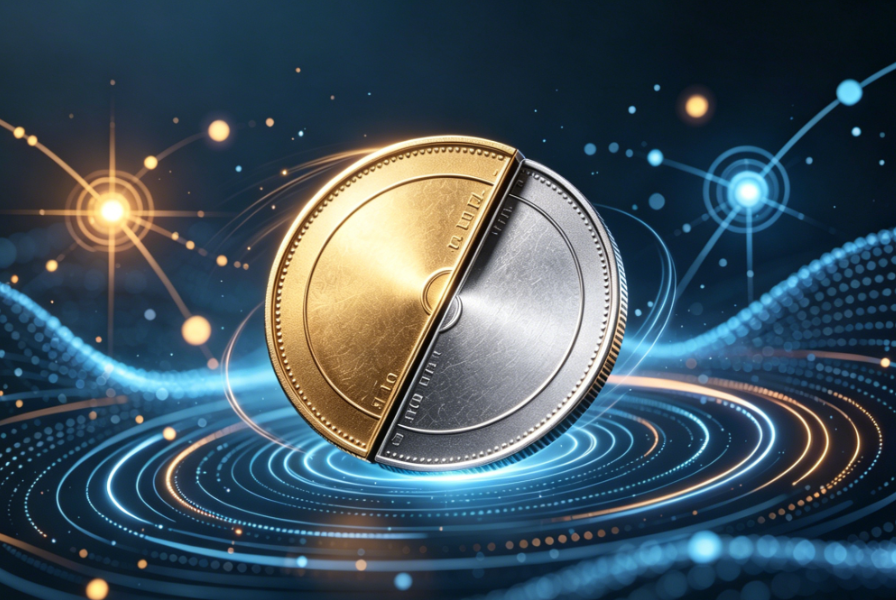
Quantum superposition explained in layman's terms using the spinning coin analogy. A simple, educational guide—no math required.
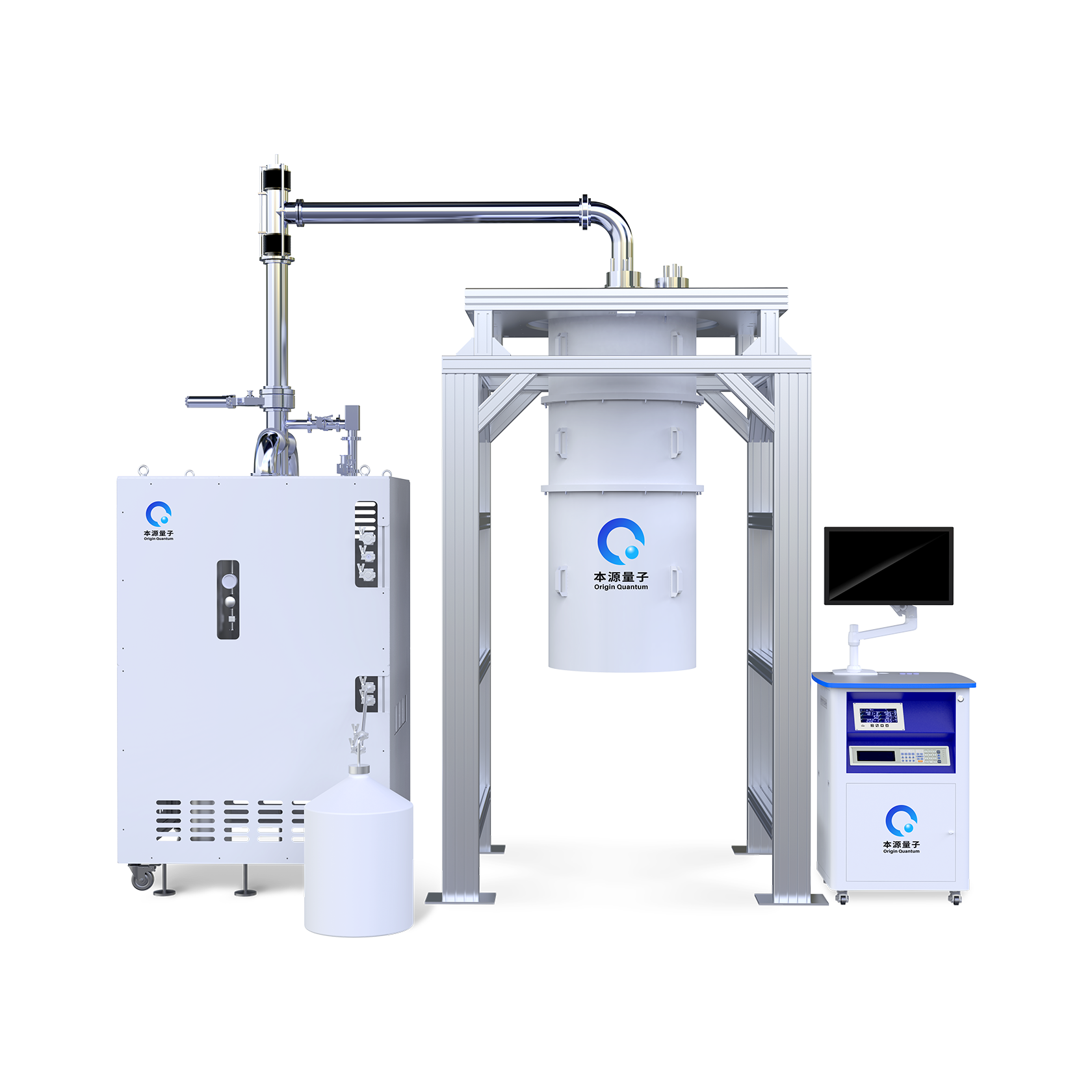
What does a dilution refrigerator cost? Real pricing data for superconducting, spin.Compare specs and find the right system for your lab.
Neutral atom quantum computers are scaling to hundreds of qubits. Learn the architecture, limitations, and near-term applications of this platform.