QPanda3 Runtime: A Runtime Toolkit for Real Quantum Computing
QPanda3 Runtime is a toolkit for real quantum computing services, providing efficient programming interfaces for submitting and managing quantum computing tasks


QPanda3 Runtime is a toolkit for real quantum computing services, providing efficient programming interfaces for submitting and managing quantum computing tasks
Explore the verified history of the first quantum computer, including key dates, researchers, and technology milestones.
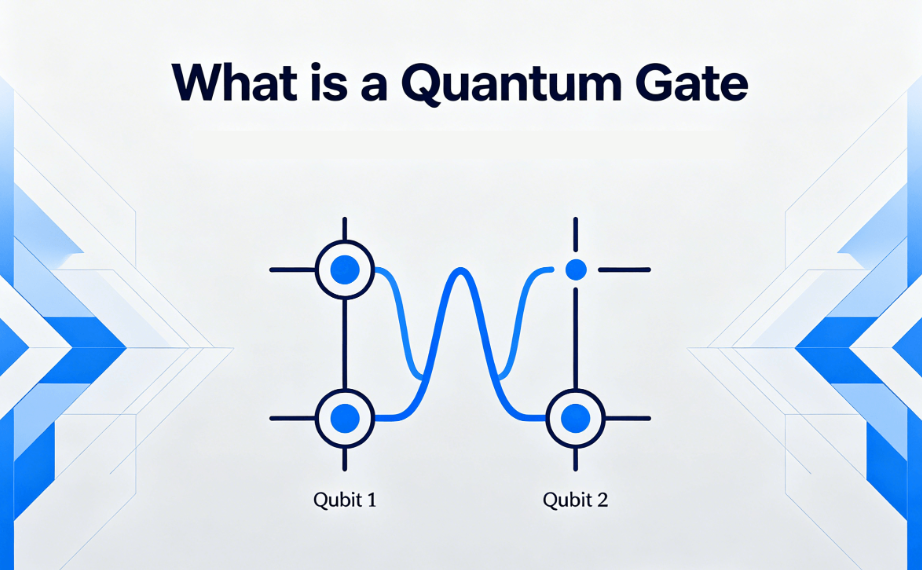
Confused by quantum jargon? We explain what is a quantum gate using easy analogies, clear tables, and plain English. Start understanding quantum computing today.
How does it work? We answer how quantum physics in everyday life impacts your morning routine. Real examples of quantum tech in action inside.

Meet OriginQ Wukong 180, China's 4th-gen superconducting quantum computer. Featuring 180 computational qubits, 99.9% fidelity. Claim your free 60s trial now.
Confused about the right programming language for quantum computing? We compare Qiskit, Cirq, and more to help you choose the best tool for your projects.

Explore the NISQ era status 2026, including quantum computing milestones, device capabilities, error correction progress, and what comes next for the industry.
Don't waste resources on the wrong tech. Learn the fundamental differences between classical simulators and physical quantum hardware, including qubit limits
Wondering if quantum computers can play normal video games? We break down the reality of Quantum Doom and the future of gaming
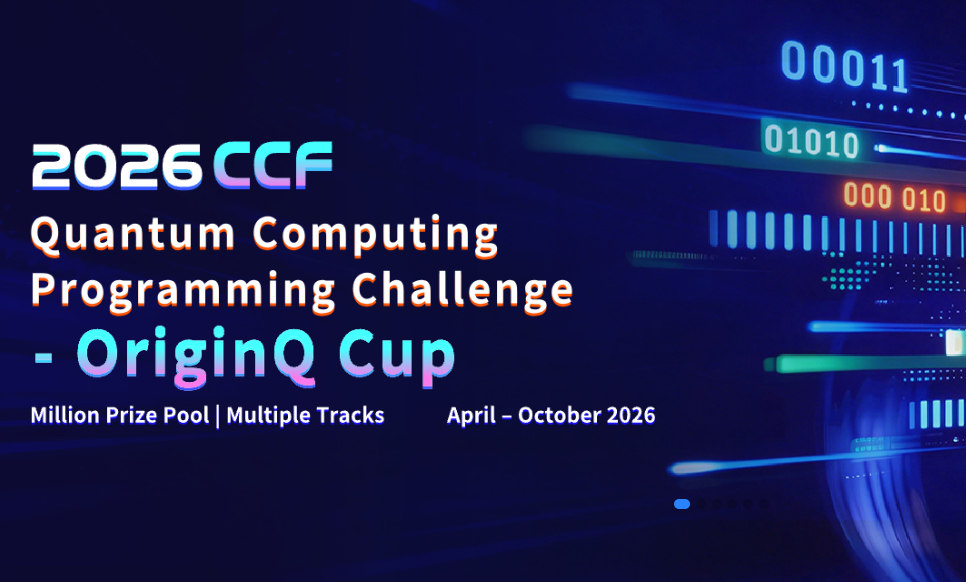
Accelerate your tech career in the 2026 quantum computing competition. Innovate with QPanda3, solve critical bottlenecks in AI and cryptography,