When Will We Have Quantum Computers at Home? The Real 2026 Timeline
If you've been following tech news lately, you've probably heard the buzz: Quantum computing is here. It's exciting stuff. But then comes the question that keeps popping up in forums and coffee shop conversations alike: "When will we have quantum computers at home?"
The Short Answer: Not Anytime Soon
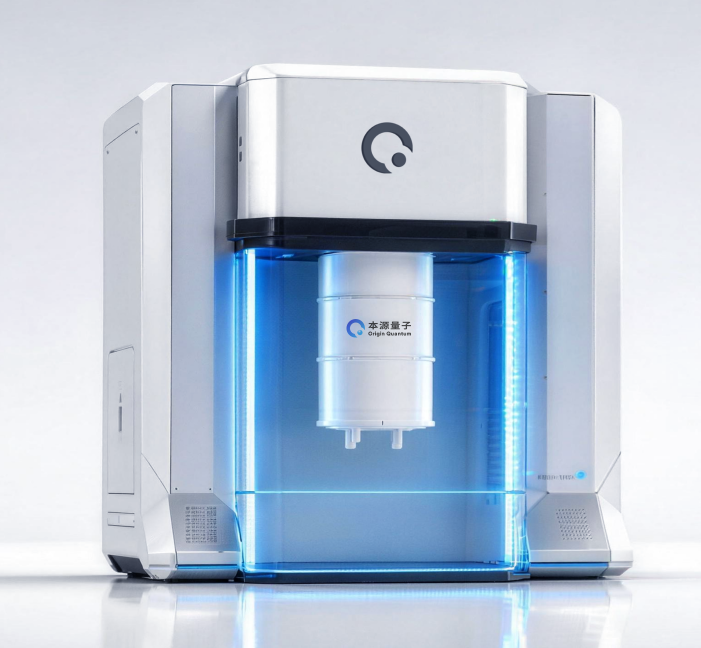
Let's rip the band-aid off: You will likely not have a personal, standalone quantum computer in your home before 2040, and possibly not even by 2050.If you're hoping to replace your MacBook with a quantum version next year, you can stop holding your breath. However, that doesn't mean you won't use quantum computing. In fact, you probably already are, just not directly.The future of home quantum computing isn't about owning the hardware; it's about accessing its power remotely. Think of it less like owning a power plant in your backyard and more like plugging into the electrical grid.
The Three Giant Roadblocks
To understand why a home quantum computer isn't hitting the shelves anytime soon, we need to look at why these machines are so incredibly difficult to build and maintain. It's not just a matter of shrinking transistors like we did with classical chips. The physics is fundamentally different.
1. The Temperature Problem: Colder Than Outer Space
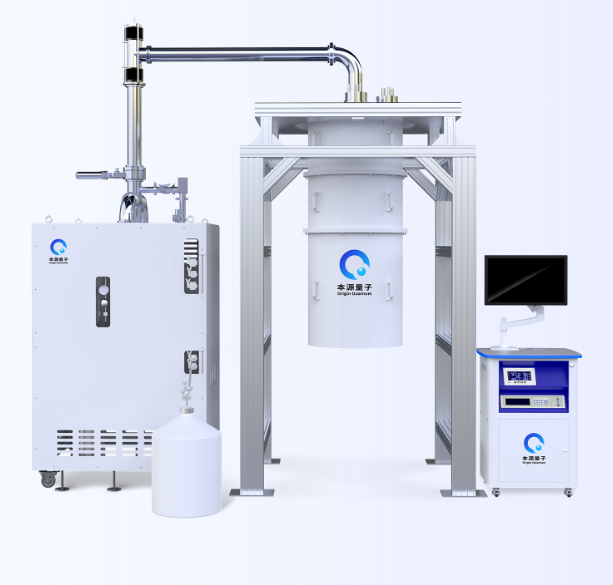
Most leading quantum computers use superconducting qubits. These delicate quantum bits need to operate at temperatures near absolute zero (-273.15°C or -459.67°F).
Imagine this: Your home freezer is cold. The surface of Pluto is warm compared to what a quantum processor needs.
2. The Noise and Error Issue
Qubits are notoriously fragile. A tiny vibration, a stray photon of light, or a fluctuation in magnetic fields can cause them to lose their quantum state (a process called decoherence). This leads to errors.
While classical computers correct errors easily (a bit is either a 0 or a 1), quantum error correction requires thousands of physical qubits to create just one stable "logical" qubit. We are currently in the era of NISQ (Noisy Intermediate-Scale Quantum) devices. We have dozens or hundreds of physical qubits, but we haven't yet mastered the millions needed for fault-tolerant, error-free computing that could run complex apps in your living room.
3. The Cost Factor
Right now, building a single quantum processor costs millions of dollars. The infrastructure to support it runs into the tens of millions. Even if we solved the size and cooling issues tomorrow, would you pay $50 million for a device that can only run specific types of math problems? Probably not.
| Challenge | Current Status (2026) | Requirement for Home Use |
|---|---|---|
| Operating Temp | Near Absolute Zero (mK range) | Room Temperature or manageable cooling |
| Size | Room-sized (including cooling) | Desktop or Laptop size |
| Error Rates | High (NISQ era) | Near Zero (Fault Tolerant) |
| Cost | Millions per unit | Consumer affordable ($1k-$3k) |
A Realistic Timeline
Predictions in tech are notoriously slippery, but based on roadmaps from industry giants, and academic consensus, here is a grounded forecast for when we will have quantum computers at home.
Phase 1: The Cloud Era (Now – 2030)
Status: Active
You don't need to own a quantum computer to use one. Right now, via platforms like origin quantum cloud, developers and researchers can send jobs to real quantum processors over the cloud.
- What this means for you: If you use a future app for drug discovery, financial planning, or ultra-realistic gaming physics, the heavy lifting might be done by a quantum computer in a data center, sending results back to your phone. You are "using" quantum computing without owning the hardware.
Phase 2: The Hybrid Enterprise Era (2030 – 2040)
Status: Emerging
Experts predict that by 2030, we will see quantum advantage for specific industrial tasks. Large corporations and universities will host "quantum data centers."
- Home Connection: Still no home boxes. However, your personal devices will become powerful terminals. Your laptop will seamlessly offload complex optimization problems (like routing your entire smart home's energy usage perfectly) to a hybrid classical-quantum server nearby. Latency will drop, making it feel instantaneous.
Phase 3: The "Specialized" Home Unit? (2040 – 2050+)
Status: Speculative
This is the earliest window where a physical device might enter the wealthy enthusiast market, but it won't look like a PC.
- The Caveat: It will likely be a specialized appliance, perhaps for cryptography enthusiasts or scientists, not a general-purpose machine. It would require breakthroughs in room-temperature qubits (like diamond vacancy centers or photonic chips) which are still in early research stages.
- Prediction: Even by 2050, a general-purpose quantum PC for playing games and browsing the web is unlikely because classical computers are extremely good at those things. Quantum computers are specialists, not generalists.
The Bottom Line
The question isn't really "when will we have quantum computers at home" in the sense of owning the box. The revolution is already happening via the cloud.By the time the technology matures enough to potentially shrink down to consumer sizes (likely post-2040), the model of computing will have shifted so heavily toward cloud-hybrid systems that owning the hardware might seem as quaint as owning your own electricity generator.So, keep your laptop for now. But get ready, because the apps you run on it are about to get a whole lot smarter, powered by the strange and wonderful laws of quantum mechanics working silently in the background.
Contact Us
 (+86) 177 3001 9472
 market@originqc.com