Will Quantum Computing Replace My Laptop? Here's the Real Answer
If you've been following tech news lately, you've probably heard the buzz: quantum computing is here. It sounds like something out of a sci-fi movie — computers that solve problems in seconds that would take today's supercomputers thousands of years. With headlines like"Quantum Supremacy Achieved" and"The Future of Computing is Quantum," it's natural to wonder: Is quantum computing going to replace my laptop?
Short answer? Not anytime soon — and probably not in the way you think.
Understanding the Basics: What Is Quantum Computing?
Traditional computers — like your laptop, smartphone, or even the server hosting this webpage — run on bits. A bit is like a light switch: it's either on (1) or off (0).
Quantum computers, on the other hand, use qubits (quantum bits). And here's where things get wild:
Qubits can be both 0 and 1 at the same time. This is called superposition.
Think of it like a spinning coin. While it's spinning, it's not just heads or tails — it's both, kind of. Only when you stop it (measure it) does it"choose" a state.
But wait, there's more:
- Entanglement: Qubits can be linked so that changing one instantly affects another — even if they're miles apart. Einstein called this"spooky action at a distance."
- Interference: Quantum computers use wave-like properties to amplify correct answers and cancel out wrong ones.
These principles allow quantum computers to explore millions of possibilities simultaneously, making them incredibly powerful for certain types of problems.
So… Is Quantum Computing Going to Replace My Laptop?
No — not now, not in 5 years, and likely not ever in the same role.
Your laptop is designed for everyday computing tasks:
- Browsing the web
- Writing emails
- Streaming Netflix
- Editing documents
- Playing most video games
These are tasks that run perfectly well on classical (non-quantum) computers. In fact, they're optimized for them.
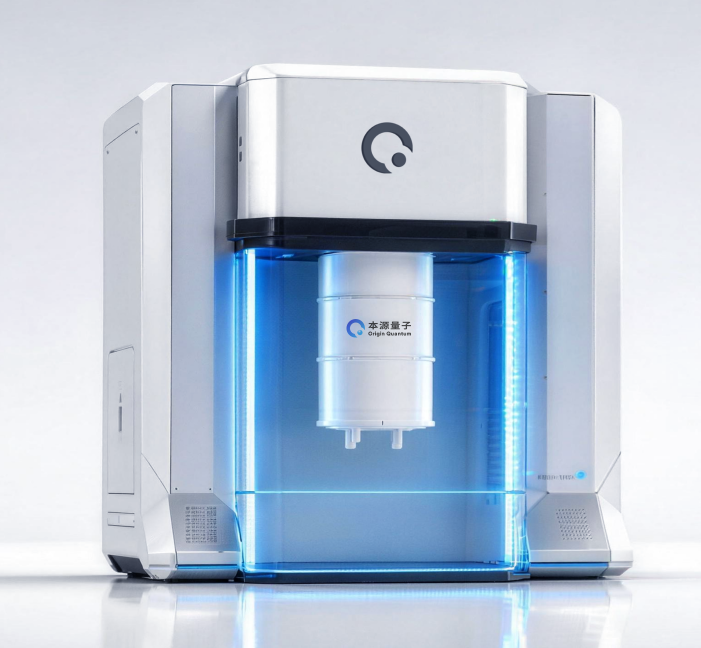
Quantum computers aren't built to do these things. They're specialized tools, more like a particle accelerator or an MRI machine — powerful, but only useful for very specific jobs.
Analogy Time:
Asking if quantum computing will replace your laptop is like asking if a rocket ship will replace your car.
Sure, a rocket is faster — but you don't drive it to work, pick up groceries, or take the kids to school.
Quantum Computing vs. Laptops: A Side-by-Side Comparison
| Feature | Traditional Laptop (Classical Computer) | Quantum Computer |
|---|---|---|
| Purpose | General-purpose computing | Specialized problem-solving |
| Bits/Qubits | Bits (0 or 1) | Qubits (0, 1, or both) |
| Best At | Web browsing, office apps, media | Simulating molecules, optimizing complex systems |
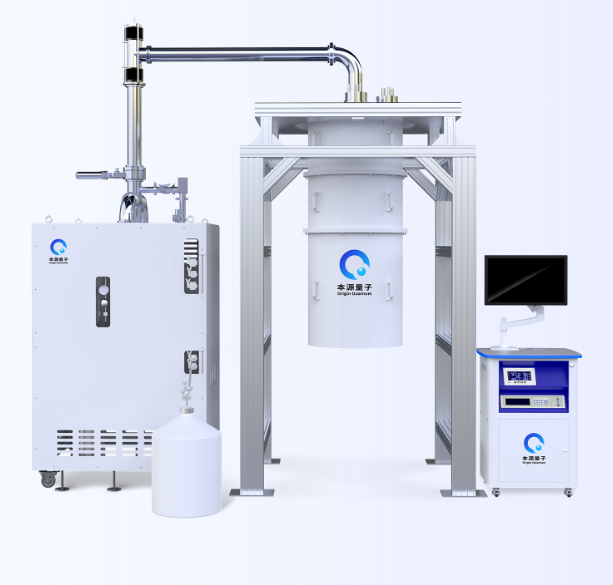
| Size | Fits on your lap | Room-sized (currently) |
| Cost | $500 – $3,000 | Millions to build and maintain |
| Availability | Sold in stores | Mostly in labs |
| Power Needs | Standard outlet | Near-absolute zero cooling required |
| Daily Use? | Yes | No — not feasible yet |
Where Quantum Computing Actually Excels
So if quantum computers won't replace your laptop, what can they do?
They shine in areas where complexity and variables explode beyond what classical computers can handle. For example:
- Drug Discovery & Molecular Simulation: Simulating how molecules interact at the quantum level. Could lead to breakthroughs in cancer treatments or new materials. Classical computers struggle with more than a few dozen electrons.
- Cryptography & Cybersecurity: Quantum computers could break current encryption (like RSA). But they also enable quantum encryption (e.g., quantum key distribution), which is theoretically unbreakable.
- Optimization Problems: Imagine routing delivery trucks across 10,000 cities — finding the absolute best path. Airlines, logistics companies, and supply chains could save billions.
- AI & Machine Learning: Speeding up training for complex models. Not replacing your AI writing tool anytime soon, but could improve underlying algorithms.
Why Your Laptop Is Safe (For Now)
Let's get into the nitty-gritty reasons why quantum computing won't replace your laptop:
- They're Not General-Purpose Machines: Quantum computers aren't designed to run Windows, macOS, or Linux.
- Extreme Operating Conditions: Most quantum computers need to be cooled to near absolute zero (-273°C). Your laptop just needs a desk.
- High Error Rates: Qubits are fragile. Noise, heat, or even cosmic rays can cause errors. Error correction is still a major challenge.
The Future: Coexistence, Not Replacement
Instead of replacing laptops, quantum computers will likely work alongside classical systems. Think of it like this:
- Your laptop handles your email, calendar, and streaming.
- When a complex problem arises (like designing a new battery), it sends the task to a quantum processor in the cloud.
- The result comes back, and your laptop displays it.
This hybrid model is already being tested by companies like IBM, Google, and Microsoft through cloud-based quantum platforms.
Contact Us
 (+86) 177 3001 9472
 market@originqc.com